

Why Is There Water in My Dryer Vent?
Why Is There Water in My Dryer Vent?
Finding water in a dryer vent usually means the air isn’t moving the way it should. A dryer removes water from your clothes by turning it into warm, moist air and pushing that air outside. When the air can’t get out fast enough, or cools down inside the vent, the moisture turns back into water. If you see drips, puddles or a wet duct, here’s what’s usually going on.
1. A clogged vent
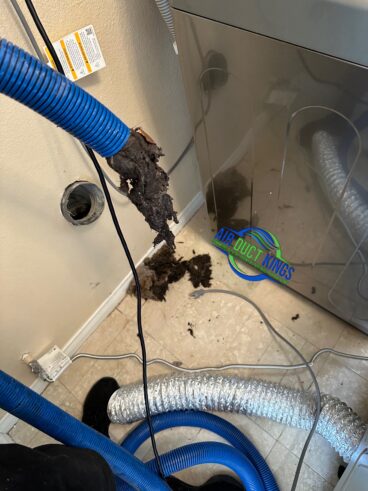
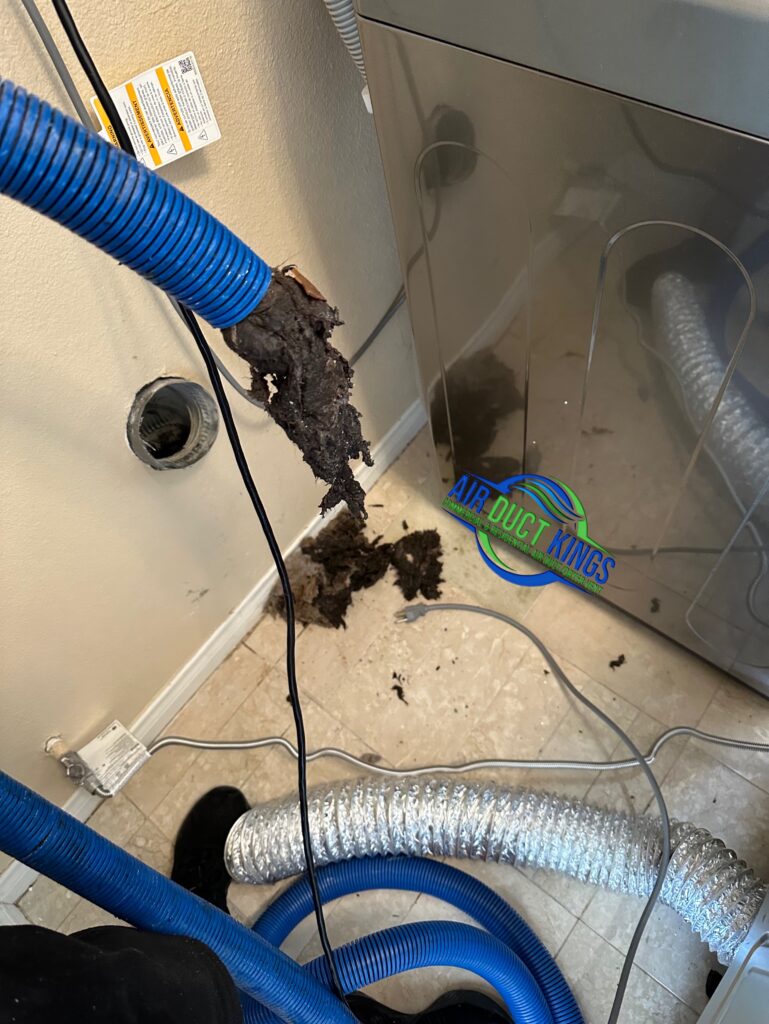
Lint buildup slows the air, so moist air sits in the duct and condenses. This is the most common cause, and a full dryer vent cleaning usually fixes it. The EPA mold resources also explain why moisture problems should be fixed quickly.
2. A long vent run through a cool space
When the vent runs through an attic, garage or crawl space, warm air cools quickly and drops its moisture. Long runs to the roof are common in Orange County condos and townhomes.
3. Sagging or low spots in the duct
Flexible ducts can sag between supports. Water collects in the low spots, mixes with lint, and turns into a heavy, damp clog.
4. A crushed or damaged duct
Kinks behind the dryer restrict airflow and trap moisture. Foil and plastic hoses are the worst offenders. We replace them with metal ducting during a dryer vent replacement.
5. Rain getting in
A broken roof cap or exterior flap can let rain into the vent, especially during winter storms.
Need a professional cleaning?
Air Duct Kings is a local Irvine team serving all of Orange County. Book a service or get a free estimate.
Why it matters
Wet lint sticks to the duct walls and builds up fast. Moisture can also lead to mold, rust on metal ducts, and water damage inside walls or ceilings.
What we do
We clean the entire vent, check for sagging or damaged sections, test the airflow and inspect the exterior or roof cap. If the duct needs to be replaced or re-supported, we’ll explain the options before doing any work.
See more warning signs in 7 signs your dryer vent is clogged.
Fixing Water in Dryer Vent Lines
If you keep finding water in dryer vent lines, the cause is usually airflow. Therefore, we clean the vent, check for sagging sections and inspect the exterior cap.
